Hiring a moving company involves handing a stranger nearly everything you own, so it is worth asking more than just “how much does it cost.” The right questions early on tell you a lot about how a company actually operates, long before moving day arrives and it is too late to change your mind. A mover who answers clearly and specifically usually has good systems in place. A mover who deflects or gives vague answers is telling you something too, even if it is not what they intend.

Here are the 15 questions worth asking any moving company you are considering, along with what a good answer should sound like.

1. Are You Licensed and Insured?

Any legitimate moving company operating across state lines needs a USDOT number issued by the Federal Motor Carrier Safety Administration, and many states require additional licensing for moves within the state. You can look up a company’s USDOT and MC number in the federal database to confirm it is active and matches the business name on your estimate. If a mover hesitates to share this information or cannot produce it quickly, treat that as a warning sign.

2. Do You Provide a Written, Binding Estimate?

A verbal quote over the phone is not worth much once moving day arrives. Ask for a written estimate, and understand whether it is binding, meaning the price is locked in based on your inventory, or non-binding, meaning the final cost could shift based on actual weight or hours worked. Reputable movers explain this difference clearly rather than glossing over it.

3. What Is Included in the Price, and What Costs Extra?

Base estimates do not always include everything. Ask specifically about charges for stairs, long carries from the truck to your door, bulky item handling, packing materials, and fuel surcharges. A company that lists these clearly upfront is far less likely to surprise you with add-ons after your items are already on the truck.

4. Do You Have Experience With Long-Distance or Interstate Moves?

Local moves and long-distance moves involve different logistics, different regulations, and different pricing structures. If you are relocating out of state, ask directly how much experience the company has with interstate moves specifically. Eyring’s long-distance moving team handles this regularly and can speak to timelines, routing, and what to expect differently on a longer haul compared to a move across town.

5. How Do You Handle Valuation Coverage for Damaged Items?

Every mover is required to offer some level of liability coverage, but the default coverage included in most estimates is minimal, often just a small amount per pound per item regardless of its actual value. Ask what valuation options are available and what full value protection would cost, especially if you own furniture, electronics, or other items that would be expensive to replace.

6. What Is Your Cancellation and Rescheduling Policy?

Life happens, and closing dates or lease timelines shift more often than people expect. Ask what happens if you need to move your date, and whether fees apply to changes made close to your scheduled move. A company with a clear, reasonable policy here is generally easier to work with if your plans change.

7. Do You Use Your Own Crews or Subcontract the Job?

Some companies book your move and then hand it off to a subcontracted crew you have never spoken with. There is nothing inherently wrong with this model, but you deserve to know which one you are dealing with. Ask directly whether the crew showing up on moving day works for the company you booked with or for a third party.

8. How Do You Handle Specialty Items?

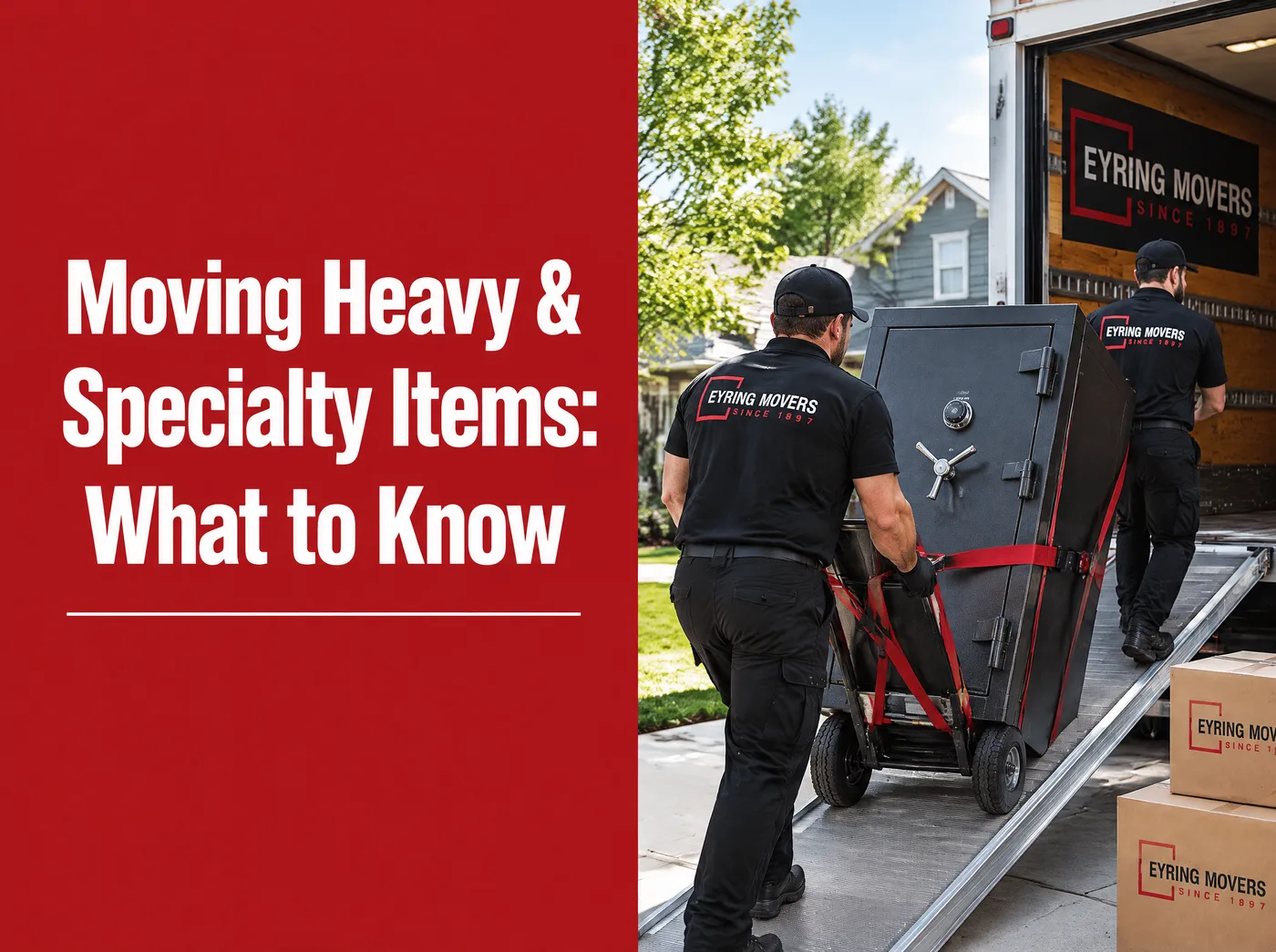
Pianos, gun safes, fine art, and antiques often require different handling, equipment, or even a separate crew. If you own anything unusual or particularly heavy, ask how the company handles it and whether there is an additional charge. A mover with real experience here will ask you specific follow-up questions rather than giving a generic answer.

9. What Does Your Claims Process Actually Look Like?

Ask what happens step by step if something is damaged during your move. How much time do you have to file a claim, what documentation is required, and how long does resolution typically take? A company that can answer this clearly, rather than vaguely pointing to “our insurance,” is one that has actually handled claims before and has a real process in place.

10. Can You Provide References or Reviews From Past Customers?

Online reviews are useful, but a company willing to connect you with a recent customer, particularly one who moved a similar distance or home size to yours, is showing real confidence in its work. This is especially worth asking for on a long-distance move, where you will not be present to supervise every step in person.

11. How Far in Advance Should I Book, and What Is Your Availability?

Availability shifts significantly by season. Summer months and the beginning and end of each month tend to be the busiest windows for movers nationwide. Ask how far out you should book for your specific move date, and whether pricing changes based on timing. A mover who gives you a straight answer here, rather than pressuring you to book immediately, is one worth trusting.

12. Do You Offer Packing and Unpacking Services?

Not everyone wants or needs full packing help, but it is worth knowing what is available. Ask whether packing materials are included or billed separately, whether partial packing is an option for just your fragile or high-value items, and how unpacking services work on the other end if you want them.

13. How Do You Calculate the Final Cost?

Pricing models vary. Some movers charge by weight, some by cubic feet of truck space, and some offer flat rate pricing based on your inventory. Understanding which model applies to your move helps you compare quotes accurately, since a lower hourly rate does not always mean a lower total cost once the pricing structure is factored in.

14. What Happens if There Is a Delay in Delivery?

Long-distance moves sometimes involve delivery windows rather than a single guaranteed date, since your shipment may travel with other households heading the same direction. Ask what the typical delivery window looks like for your route, and what the company’s policy is if delivery runs later than expected. Knowing this in advance prevents unnecessary stress if your new home is not ready the exact day your truck arrives.

15. How Long Have You Been in Business, and Do You Know My Area?

Longevity and local knowledge both matter more than people expect. A company that has served your specific region for years understands things a newer or purely national operation might not, from neighborhoods with tricky parking to how weather affects local moving schedules. Eyring Movers has served communities near Avon and throughout the Cleveland area since 1897, which means our crews have handled moves through nearly every kind of housing stock and street layout the region has to offer.

Putting These Questions to Use

You do not need to interrogate every mover you talk to, but working through even half of this list before booking will tell you a great deal about how a company operates. The best movers answer these questions clearly and without hesitation, because they already have systems in place to back up what they are telling you. If a company seems annoyed by the questions themselves, that reaction is worth paying attention to just as much as the answers.

It also helps to write your questions down ahead of time rather than trying to remember them on a phone call. Estimators talk to dozens of people a week and are used to walking through these details, so do not feel like you are being difficult by asking for specifics in writing.

If you are planning a move in Northeast Ohio or beyond, Eyring Movers is happy to walk through any of these questions directly. Reach out to our team for a straightforward quote and honest answers before you book.

Frequently Asked Questions

What is the most important question to ask a moving company?

Confirming licensing and insurance matters most, since it protects you if something goes wrong. Next, understand how the final price is calculated and how claims are handled before booking.

How do I know if a moving company is legitimate?

Legitimate movers operating across state lines carry a USDOT number that you can verify through the Federal Motor Carrier Safety Administration’s public database. Avoid a company that won’t share this information or whose details don’t match.

Should I get quotes from multiple moving companies?

Yes. Getting at least two or three written estimates helps you compare not just price but how clearly each company communicates and answers your questions, which often says as much about the experience you will have as the number on the estimate itself.

How far in advance should I book a mover?

Four to six weeks out is a reasonable target for most moves, though popular routes and peak season dates, particularly in summer, often require booking even earlier to secure your preferred date.